Pacific Northwest Chapter
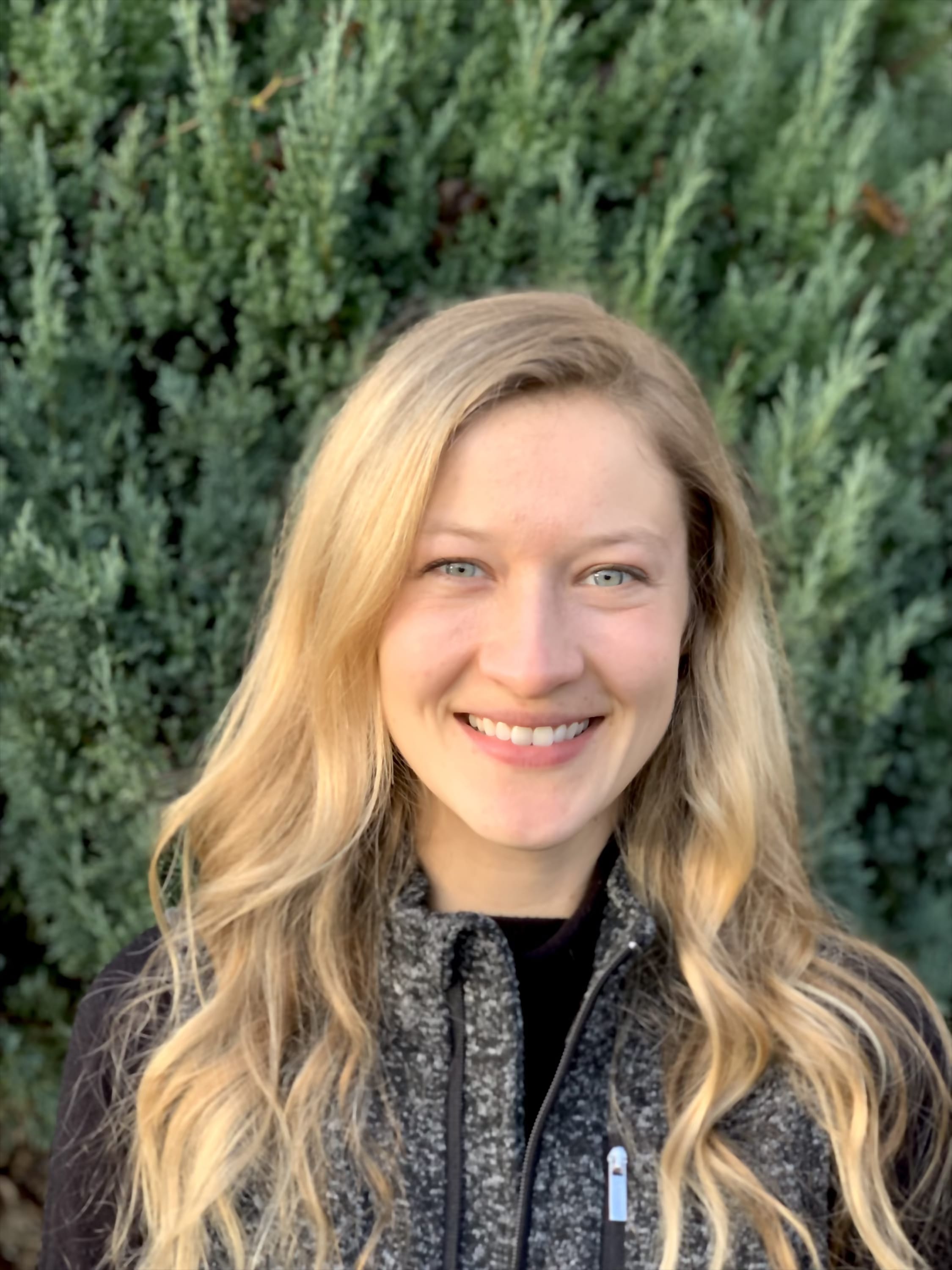
Brooke Benson

Laura Brophy
Laura Brophy is the Director of the Estuary Technical Group at the Institute for Applied Ecology in Corvallis, Oregon. For over 25 years, she has provided leadership in science-based decision support for estuary restoration and conservation in the Pacific Northwest and U.S. West Coast. Through her participation in collaborative groups that share the common goal of improving estuary restoration science and application, she has been central to the recent renaissance of estuary restoration planning in the West. In these collaborations, she has led the development of several heavily-used spatial mapping tools for estuary management and climate change adaptation planning.
Gillian Davies
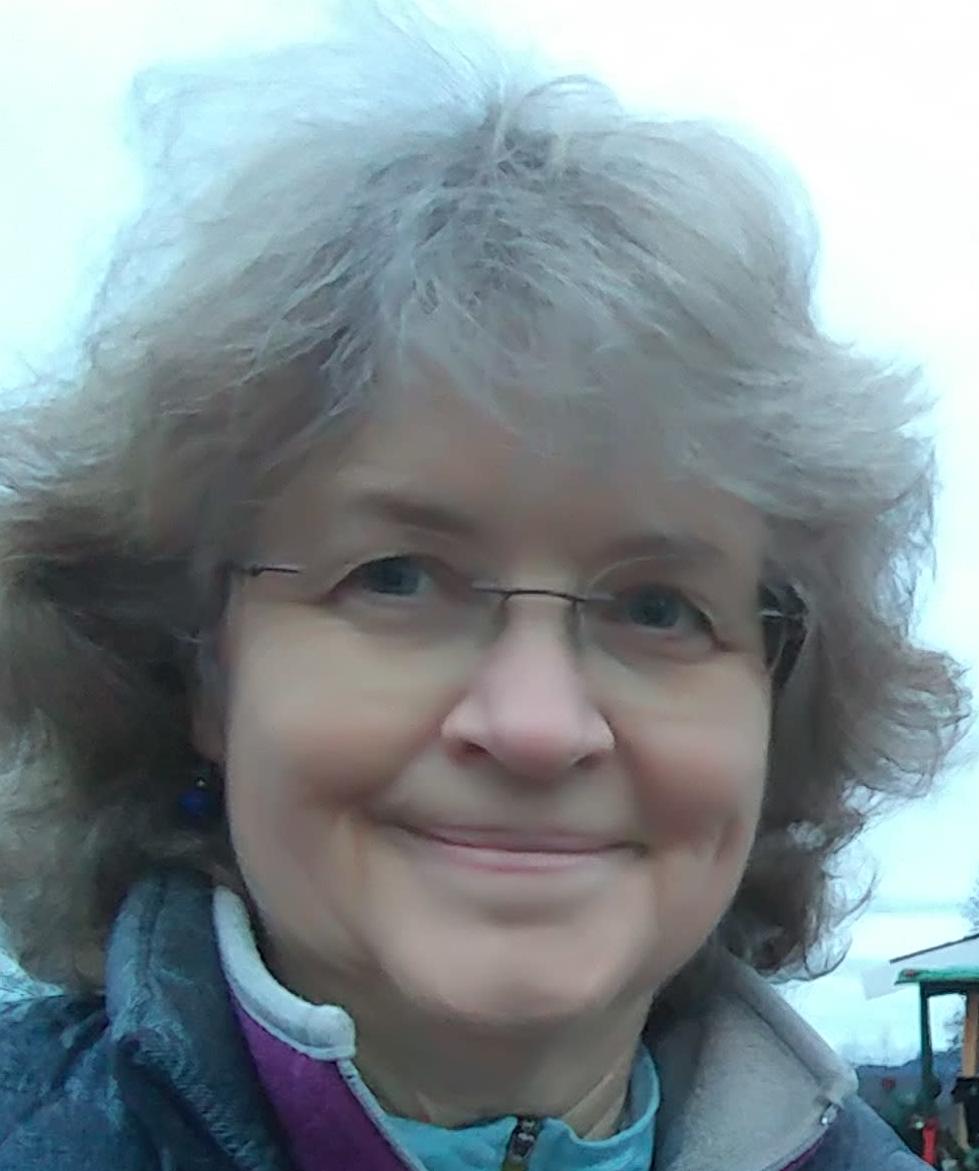
Gillian Davies is a Senior Ecologist & Natural Climate Solutions Specialist at BSC Group, Inc., where her work focuses on climate change and wetlands, working with local communities to develop Nature-based Solutions, particularly wetland, forest, and soil conservation and restoration, and providing wetland peer reviews for Conservation Commissions. She is a Visiting Scholar at Tufts University Global Development and Environment Institute, is Immediate Past President of the Society of Wetland Scientists Professional Certification Program, was the 2016-2017 SWS President, is a co-lead for the SWS Climate Change and Wetlands Initiative and chairs the SWS Rights of Wetlands Section and the WOTUS ad hoc sub-committee. She serves on the International Association for Ecology (INTECOL) Wetlands Working Group. Gillian served on the Massachusetts Healthy Soils Action Plan working group. Gillian has a Master of Environmental Studies degree with a concentration in ecosystem ecology from the Yale School of the Environment, and a bachelor’s degree from Williams College. She is a certified Professional Wetland Scientist, a Registered Soil Scientist, and has received the SWS President’s Service and SWS 40th Anniversary Awards. In her spare time, she and her husband enjoy hiking, mountain biking and skiing.
Evan Dulin
I am a wetland scientist with professional wetland experience starting in 2012. I specialize in wetland mitigation, delineation, permitting, and monitoring. I have had the pleasure of working in wetlands in many different regions of the continental United States from Tennessee to Washington and many places in between. I currently work for the Washington State Department of Transportation as their Wetland Mitigation Lead.
Derek Faust Ph.D.
I am an Instructor in the Environmental Sciences & Technology program at Clover Park Technical College. I teach courses including Critical Areas in the Environment (wetland delineation), GPS and GIS, Introduction to Ecology, General Chemistry, Environmental Chemistry, Rural Technologies, Hydrology, Watershed Analysis, Applications in Environmental Sciences I & II, and Environmental Sciences Seminar.
I previously worked as a Research Biologist at the USDA-ARS Northern Great Plains Research Laboratory (NGPRL). My interests include aquatic ecology, wetlands, greenhouse gases, and agricultural landscapes. My previous research efforts focused on water quality, in particular in assessing how management practices in agricultural ecosystems can be used to reduce potential agricultural stressors (e.g., nutrients, sediments, and pesticides) in adjacent aquatic ecosystems.
I am a member of the Society of Wetland Scientists (Treasurer of the Education Section), Society of Environmental Toxicology and Chemistry, and Soil Science Society of America. In my free time, I enjoy spending time in the outdoors camping, hiking, canoeing, kayaking, snorkeling, SCUBA diving, hunting, and fishing.

Patrick Ferebee
I’m an early career engineering associate with a passion for bringing land development projects from concept to construction. Collaborating with multidisciplinary teams, I work to deliver designs that meet regulatory requirements while supporting long-term community resilience. On the civil and planning side, my experience includes site design, erosion control, grading and drainage, permitting, and entitlements. The challenge of balancing development goals with environmental responsibility motivates me equally. Integrating ecosystem science into the planning process, I have experience with stream and wetland restoration, mitigation plans, delineations, stormwater best management practices, and floodplain management.
Ralph Garono
Elihu Gevirtz
I am an ecologist with 35 years of experience in conservation, management, habitat restoration, and research. I have worked in local government, consulting, non-profit, and industry sectors in southern California. I have authored several management plans (Burton Mesa, Point Sal and others), and several habitat restoration plans including Ojai Meadows, Gaviota Creek Estuary, San Marcos Foothills Grassland, and others. I have directed invasive species removal projects in rivers and streams (Santa Ynez River, Sisquoc River, Piru Creek), and several upland habitats. I have conducted research in wetlands including vernal pools and coastal estuaries. I conducted a survey for salt marsh bird's-beak (Chloropyron maritimum subsp. maritimum) in Carpinteria Salt Marsh. I have conducted floristic surveys and wildlife surveys in and along side coastal lagoons, and in the rocky intertidal zone. My current research is on western meadowlark (Sturnella neglecta) song dialects in California and Oregon. I now live in Portland, Oregon.

Brianna Hines
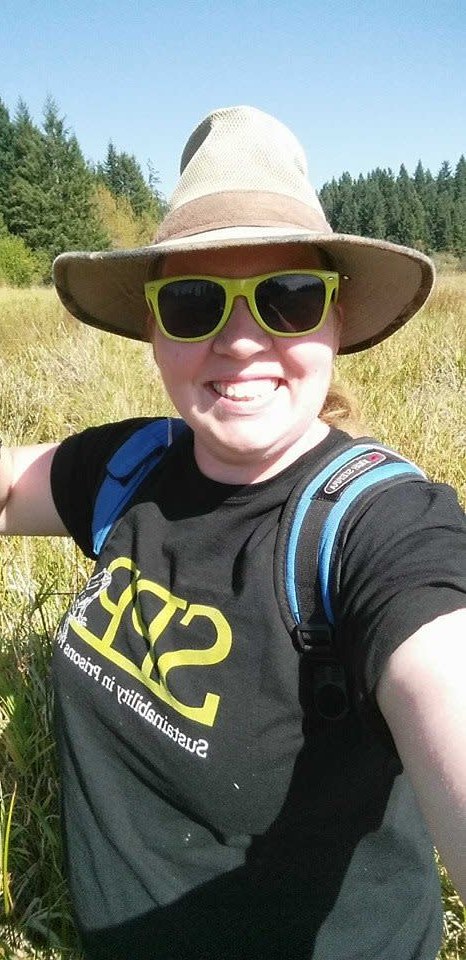
Brianna serves as an Environmental Planner at The Watershed Company with over 10 years of experience performing and managing environmental compliance projects, site investigations and technical field activities. A graduate of the University of Washington’s Wetland Science and Management Professional Certification program, Brianna is a certified Wetland Scientist and Wetland Professional in Training (WPIT) with the Society of Wetland Scientists. She has experience with Federal, State, and local compliance through diverse projects, performing riparian restoration design documentation, biological assessments, and critical areas assessments. In addition, she has performed field data collection, including conducting vegetation surveys, amphibian surveys, habitat assessments, wetland characterizations, mitigation site monitoring (vegetation and hydrology against performance standards) and water quality monitoring for habitat enhancement projects. Brianna is known for maintaining excellent professionalism and interactions with partners while delivering high-quality efficient work. She has experience working all over Washington, and currently resides in Thurston County.
Michiel Holley

Patricia Johnson
Jonathan Kemp
I am a Professional Wetland Scientist and a degreed Fish & Wildlife Biologist. I specialize in delineating and mitigating impacts to wetlands and watercourses along with determining the presence or absence of fish and wildlife habitats in terrestrial and aquatic environments. I effectively respond to government agencies during the permit review process and provide solutions to address the challenges to meet the goals and objectives for a complete and successful project while at the same time to protect critical area resources.
Jared Kinnear
Jared is the Reuse Program Manager at Clean Water Services. He is a Professional Wetland Scientist and has worked on design, permitting, and implementation of wetland mitigation and stream enhancement projects throughout the Pacific Northwest for over 20 years. Jared has been with Clean Water Services for over13 years and manages the Fernhill Wetlands Natural Treatment System, Reuse Program, and Biosolids Program. Fernhill Natural Treatment System is part of more than 750 acres in Forest Grove owned by Clean Water Services for water resources management. Fernhill utilizes natural treatment systems, or wetlands, to improve water quality by removing nutrients, cooling, and naturalizing the water after conventional treatment. The Reuse program currently irrigates 1 mgd, but has plans to expand the program exponentially to meet water quality goals for the Tualatin River. Clean Water Services biosolids program produces approximately 11,000 dry tons of Class B biosolids for beneficial land application on over 25,000 agricultural acres across different ecoregions in Oregon.
William Kirchner
Retired, US Fish and Wildlife Service. 41 years of public service focused on wetland mapping, wetland plant list updates, wetland delineation training, covering work for the US Army Corps of Engineers, and the US Environmental Protection Agency.
William Kleindl Ph.D.
I have more than 28 years of academic and consulting experience within public and private sectors in the science, policy, and management of aquatic environments, including extensive experience in the assessment, restoration, and management of degraded wetlands and rivers across multiple scales. The goal of my career has always been to provide straightforward analysis of ecological data to facilitate a translation for management applications to solve tangible problems that intersect natural and human environments. At Montana State University, I focus my research on assessment and management questions that address combined anthropogenic and natural disturbances and how these drive aquatic structure, function, and services.
Marti Louther
Marti is a wetland biologist, with over 25 years of experience. She works in the transportation field in western Washington and is part of the Pacific Northwest Chapter.
Lorene Lynn
Lorene Lynn is a soil scientist and restoration ecologist who specializes in permafrost characteristics and tundra restoration ecology. She primarily works for oil and gas, government, and community clients in the Arctic and for mining, government, and private clients throughout Alaska. Lorene is a federally appointed member and Chair of the Science Technical Advisory Panel (STAP) for the North Slope Science Initiative (NSSI). Previously, she worked for HDR, the NRCS Soil Survey, and the USFWS. Her graduate studies on coastal erosion along the Beaufort Sea Coast of Alaska sparked a career in which she rarely experiences heat, instead working in a parka in the Arctic in the months most people associate with summer.
She lives in Palmer, Alaska with her husband and dog. Her two children have launched lives of their own in Alaska.
John Marshall
I have finished my software developers certificate at Renton Technical College (with focal interests in database design, software design, and web development) and my Masters Degree in Geographic Information Systems - Sustainability at the University of Washington. I am currently looking for work in a position that requires my natural resource management / wetland / computer information skills and allows me to be an advocate for environmental protection and stewardship.
Jeffrey Mason
Greg Mazer
I have over 25 years of experience providing government and private entities with technical expertise to efficiently evaluate and sustainably manage environmental resources. Having worked as a consultant and a regulatory project manager for the U.S. Army Corps of Engineers, I have developed deep understanding of Clean Water Act (CWA) Section 404, National Environmental Policy Act (NEPA), and associated federal, state and local laws and regulations. I have project experience in several western states, but mainly in Oregon where I have prepared many Joint Permit Applications. I have conducted innumerable wetland delineations, functions assessments, and stream surveys as well as other ecological evaluations such as noxious weed surveys, rare plant surveys, and watershed assessments. I have also planned, designed, implemented and monitored aquatic and riparian habitat restoration and enhancement as well as stream bank stabilization via bioengineering. I look forward to continuing with work that helps to balance reasonable development with appropriate mitigation to benefit both natural systems and society.
Kerrie McArthur
Kerrie McArthur, Senior Biologist with Confluence, has 30 years of wide-ranging experience as a natural resources professional in the Pacific Northwest and Alaska. Her expertise includes water quality monitoring, stream-channel characterization, wetland reconnaissance and delineations, plant and animal identification, aquatic and terrestrial habitat evaluation, fisheries surveys, and functional assessment of aquatic ecosystems. She specializes in the collection of field samples of marine and freshwater fish, plants, and invertebrates using a range of equipment. Her experience focuses on impacts to fish and wetlands, both freshwater and marine, from a wide range of development activities; regulatory permitting and associated mitigation; and restoration. Kerrie has written numerous wetland delineation reports, project-specific biological assessments, aquatic and terrestrial plant and animal sections of SEPA/NEPA EISes, and has developed mitigation plans for sensitive species and habitats including salmonids and wetlands. She has also worked in tropical and subtropical ecosystems in the Pacific Ocean.
Erin McMillin
I am a 2025 graduate of the UW Wetland Science and Management Certificate. I currently work as a project coordinator for trail maintenance projects with Washington Trails Association. I am looking to build my knowledge and pivot my career towards environmental project management.
Lee Lynn Michel
Part owner of PNW Ecoservices LLC, with contracts for Bullfrog control on behalf of the northwestern pond turtle in Washington State. Student at Oregon State University, specializing in wetland ecology and management seeking first bachelor's degree. Interests include herpetology, aquatic insects, invasive species, research, and wetland community interactions.
Kevan Moffett Ph.D.
David Monnin
Twenty plus years of natural resource consultation experience throughout the Pacific Northwest. Specializes in production of ArcGIS / AutoCAD georeferenced maps, habitat assessments, wetland delineations, permit processing, mitigation construction, and compliance monitoring. Liaison between environmental permit regulators, project engineering staff, construction contractors, and clientele to facilitate smooth processing of state and federal authorizations and to maintain project compliance with local, state, and federal regulations.
Amanda Nahlik
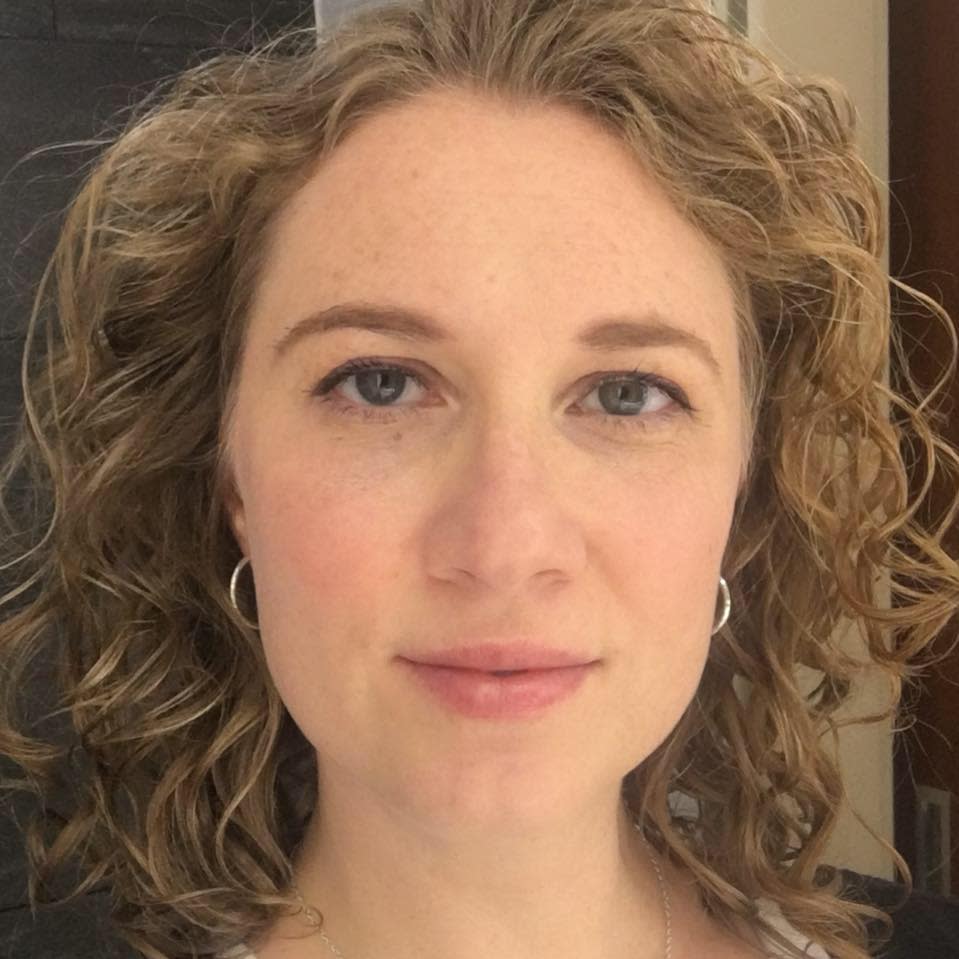
Dr. Amanda M. Nahlik is a research ecologist at the United States Environmental Protection Agency (USEPA) Office of Research and Development (ORD) Pacific Ecological Systems Division (PESD) in Corvallis, Oregon. She is the ORD Lead for the National Aquatic Resource Surveys (NARS) program, which includes condition assessments for lakes, rivers & streams, coastal areas, and wetlands across the United States. With over two decades of wetland ecology and biogeochemistry experience, Dr. Nahlik's research projects range from carbon storage and nutrient cycling, greenhouse gas emissions and climate change, sedimentation and fluvial dynamics, to condition assessments and ecological indicator development. As one of the lead researchers and the Technical Lead of the National Wetland Condition Assessment (NWCA), Dr. Nahlik uses national-scale data to estimate changes in wetland carbon storage, nitrogen cycling using stable isotopes, and provision of ecosystem services.
Lisa Palazzi
Curriculum Vitae
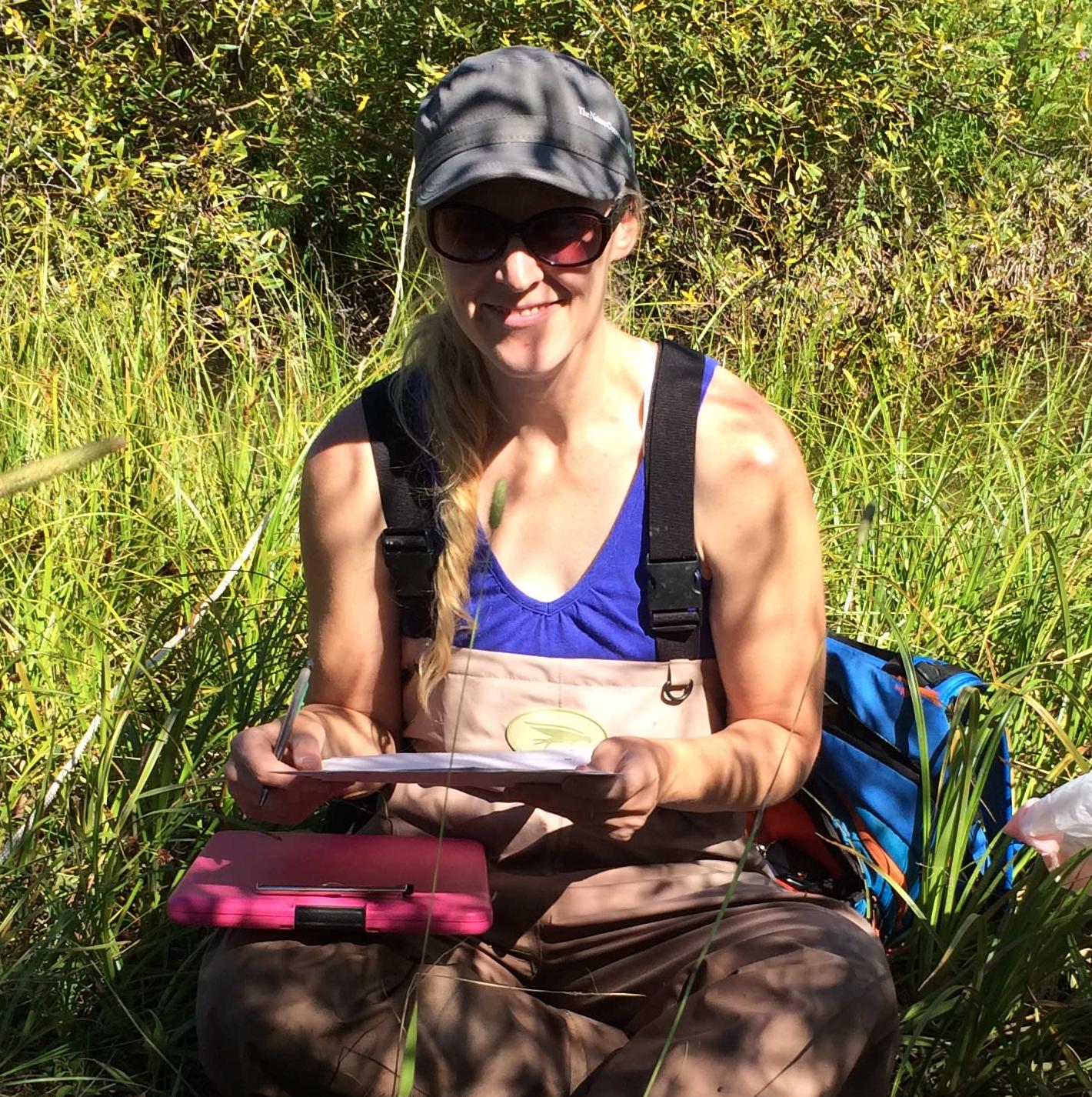
Lisa M. Palazzi
Home: 1603 Central NE
Olympia, WA 98506
(360) 789-4069 (cell)
(360) 352-1465 (x137) (work)
Education
1989 Master's degree in Soil Science: Oregon State University, Corvallis, OR
Emphasis in Soil Physics[1] and Microclimatology, Minor in Forest Science
1985 Bachelor's degree in Soil Science: Montana State University, Bozeman, MT
Emphasis in Soil Physics and Geology, Minor in English Composition
Certifications and Accreditations
Soil Science Society of America: Certified Professional Soil Scientist (CPSS)
Society of Wetland Scientists Professional Certification Program: Professional Wetland Scientist (PWS)
Lisa M. Palazzi, CPSS, PWS
Research and Work Experience
Ms. Palazzi has over 35 years of professional experience in her field of expertise – soil and wetland science.
Ms. Palazzi's university education was focused on soil science and forest ecology. She attained her Bachelor of Science degree in 1985, graduating with highest honors from Montana State University with a major in Soil Science and a minor in English Composition. Her Master of Science thesis work, completed at Oregon State University in 1989, was focused on forest science and soil physics -- the study of water and heat transport in soils.
Ms. Palazzi’s post-graduate research (1989 to 1991) included participation in an interdisciplinary team of Oregon State University scientists studying ecosystem function of riparian systems in disturbed watersheds of Oregon's Coast Range, and working as a soil scientist for the USFS PNW Research Lab in Olympia, WA.
In 1991, she became the principal and owner of a soil and wetland science consulting firm in Olympia, WA (Pacific Rim Soil & Water, Inc. [PRSW]), which provided soils and hydrology assessment services for over 20 years throughout Washington state and the Pacific Northwest. In 2012, she closed PRSW and joined SCJ Alliance, a well-respected planning and engineering firm in Lacey, Washington, where she continued to provide expert services in soils, wetlands, and hydrology assessment, and related environmental science consulting issues. More details are provided below:
June 1991 to present: Consulting Soil Scientist and Wetland Scientist
Soils and Hydrology Consulting: SSSA certified professional soil scientist (CPSS)
Expert witness and/or advice in soils, wetland hydrology and soil hydrology related cases at City, County, State and Federal level
Soil and hydrology assessment and detailed soil mapping expert
Hydric (wetland) soil determinations on potential wetland sites
Soil hydrology studies for stormwater or wetland mitigation projects –restoration, enhancement, or creation
Soil physics studies to estimate percolation rates and determine suitability for septic treatment and/or stormwater treatment or infiltration
Determination of surface and soil water quantity and quality control features for site specific stormwater management or septic system design
Low Impact Development (LID) services as relate to effective protection of soil functions and management of stormwater
Groundwater or surface water monitoring wells with dataloggers for stormwater system design or verification of wetland hydrology conditions
Detailed soil mapping studies, necessary for determination of agricultural potential, or other soil-limited development activities
Soil assessment and sampling for hazardous waste conditions and cleanup
Soil sampling for physical or chemical lab analysis
Teacher of various soil science workshops: Hydrology monitoring; Interpretation of hydric (wetland) soil characteristics; Erosion and sediment control plans; Basic local geology and related soil development; Interpretation of soil characteristics for septic system design.
Wetlands Consulting: SWS certified professional wetland scientist (PWS)
Expert witness and/or advice in wetlands regulations, permitting, hydric soils and wetland hydrology at City, County, State and Federal level.
Wetland delineation expert, trained in the 1987 Army Corps of Engineers method as well as the 2010 Regional (PNW) Supplements to the 1987 Manual
Hydric soil and wetland hydrology assessment
Groundwater or surface water monitoring wells with dataloggers for determination of wetland conditions, as well as for wetland mitigation projects –restoration, enhancement, or creation
Wetlands rating, as per the Washington State Wetlands Rating System (1993, 2004 and 2014 methods)
Development and design of wetland mitigation and restoration projects
Expert witness in hydric soils and wetland hydrology related cases at City and County level
Teacher of various wetland and hydric soils training workshops, including: workshops in the 2010 ACOE Regional Supplements to the 1987 Manual; hydric soils interpretation and description; groundwater monitoring; soil hydrology and related regulatory issues at any level of audience expertise
Kimberli Ponzio
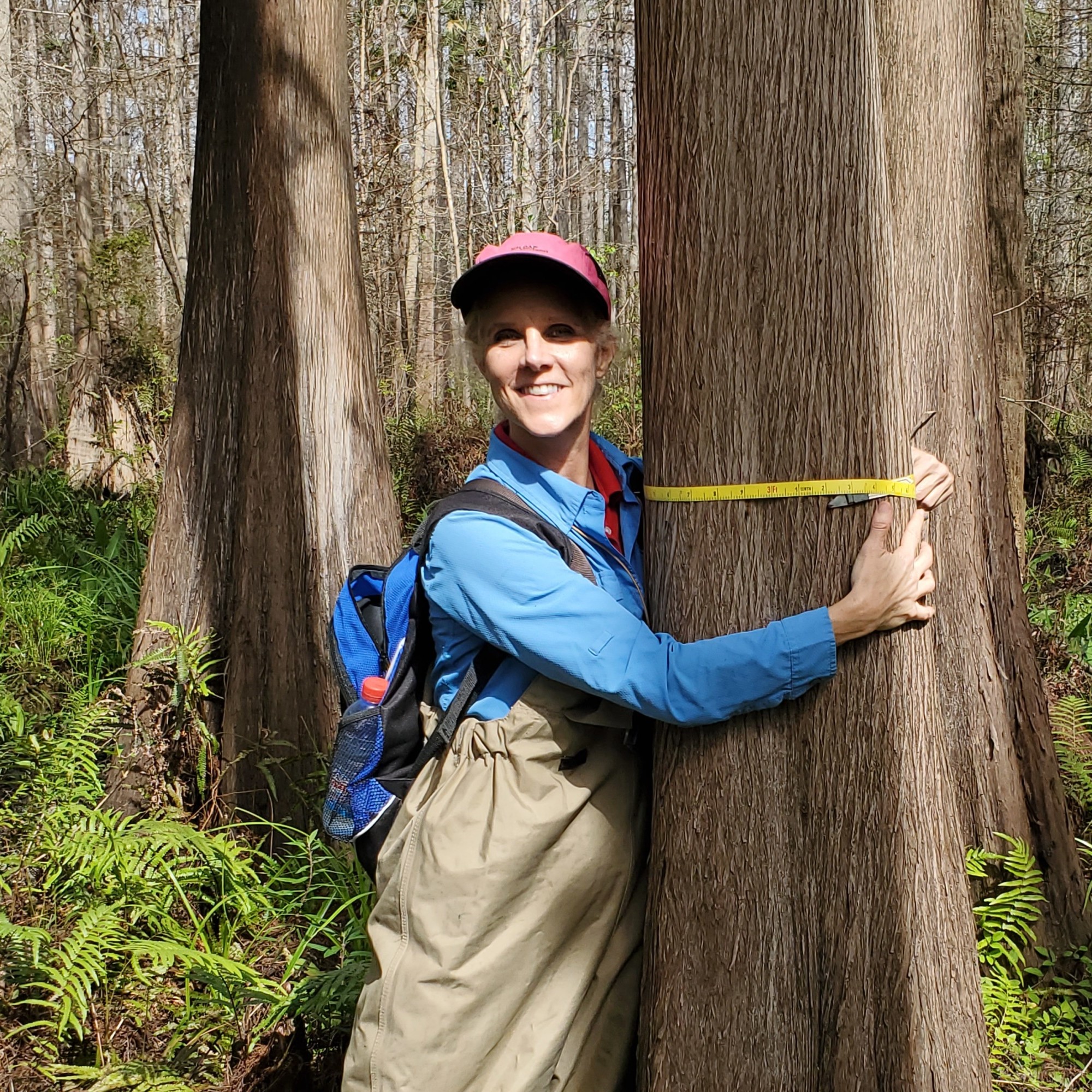 Kimberli Ponzio has over 36 years of experience working in Florida wetlands as an Environmental Scientist for two water management districts in the state of Florida, USA. Kim has been certified as a Professional Wetland Scientist for 25+ years, finding it important to ensure stakeholders from public, academic, and consultancy sectors that she has the education, work history, and skill-set necessary to deliver professional wetland services, and that she is committed to upholding a high standard of ethical behavior. Kim has been involved in leadership with the Society of Wetland Scientists since 2007, was SWS President in 2015, President of the SWS Professional Certification Program (SWSPCP) in 2020, and currently serves as Co-Chair of the SWSPCP Diversity, Equity, and Inclusion Committee. Kim is actively involved in helping to globalize the SWSPCP by making the Program accessible to qualified individuals, regardless of geography or financial standing. Kim’s approach has always been one of a collaborative spirit, which she believes is one of the most powerful mechanisms to further the cause of conserving, restoring, and protecting wetlands.
Mark Rains
Mark Rains is an ecohydrologist with a B.A. in Ecology, Behavior, and Evolution, an M.S. in Forestry, and a Ph.D. in Hydrologic Sciences. He is a Professor of Geology at the University of South Florida and Chief Science Officer for the State of Florida. His research is focused on hydrological connectivity from ridges-to-reefs; the roles that hydrological processes play in governing ecosystem structure and function; and the roles that science plays in informing water-related law, policy, and decision-making. As the Chief Science Officer, he is charged with ensuring that science underlies sound environmental policy and protection, including working with stakeholders to build a shared knowledge informed by common values and then focusing that knowledge on the most pressing statewide environmental needs. Though charged with a broad portfolio, he is primarily focused on protecting and restoring water quality, enhancing flood resilience, and developing the data and analytics strategy necessary to support these and other statewide environmental needs. He has been the recipient of numerous distinctions, including receiving three Scientific and Technological Achievement Awards from the U.S. Environmental Protection Agency and being elected a Fellow in the Society of Wetland Scientists.


Joseph Schubauer-Berigan Ph.D.
Shane Slate PWS
Environmental Project Manager
Ardurra
Coeur d'Alene, ID
www.ardurra.com
William Streever
Valerie Watkins
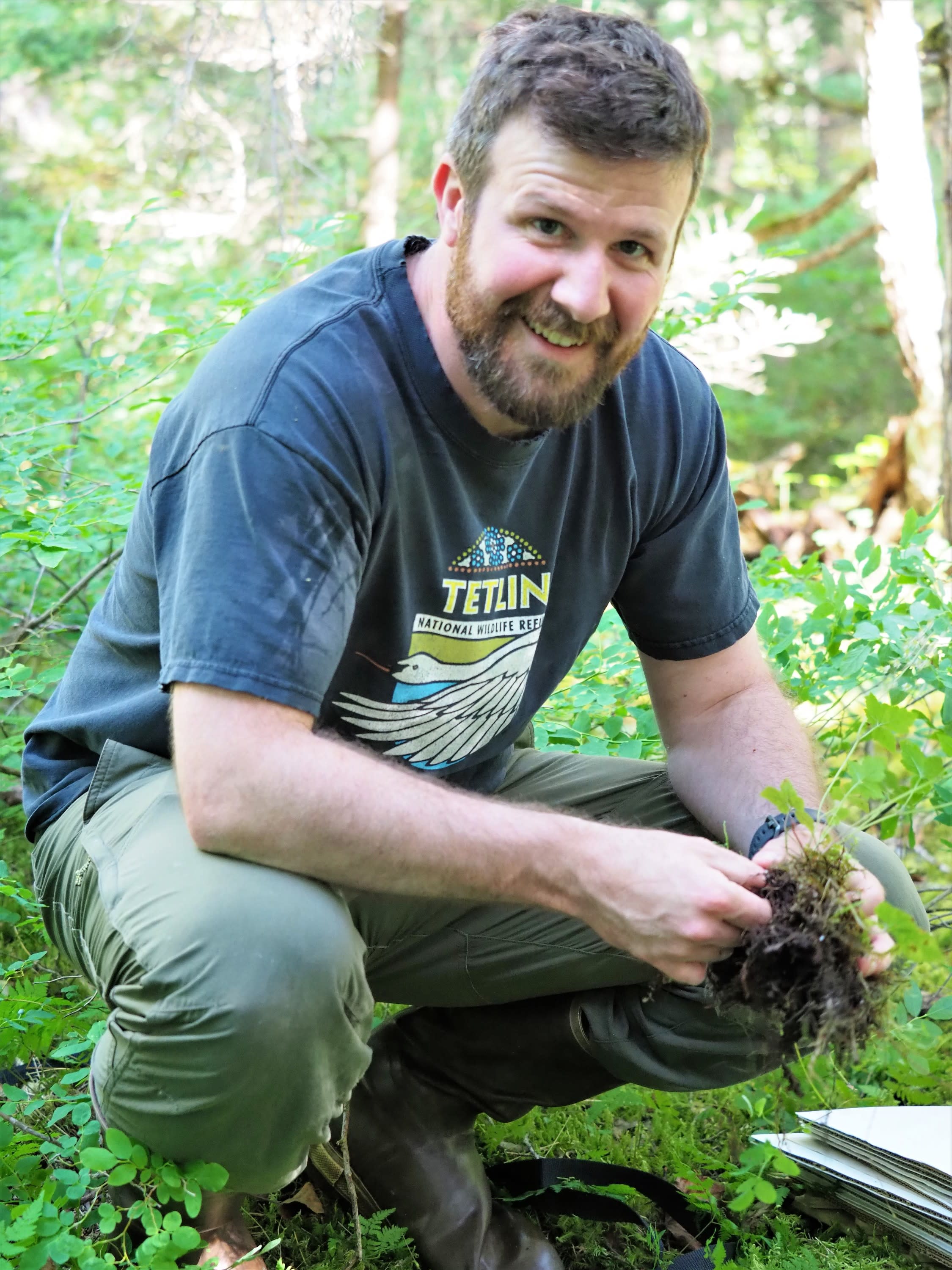
Jennifer Wynkoop
Jennifer is a Principal Environmental Scientist in Landau Associates’ Tacoma, Washington office. Her project management experience includes natural resources, wetlands, and environmental permitting projects at numerous sites both public and private. Jennifer’s experience includes wetland, stream and other critical area assessment and permitting; shoreline and aquatic permitting, Federal Section 404 and 401 permitting, NEPA, SEPA, litigation support, water quality assessment; biological assessments; and stormwater, groundwater, and surface water hydrology. Jennifer is a skilled project manager who has managed projects ranging from small wetland mitigation sites to large multi-million dollar environmental cleanups. Jennifer is a Certified Wetland Specialist for Pierce County and a Professional Wetland Scientist. In addition to her bachelor’s degree, Jennifer holds a certificate in Wetland and Science Management from the University of Washington.